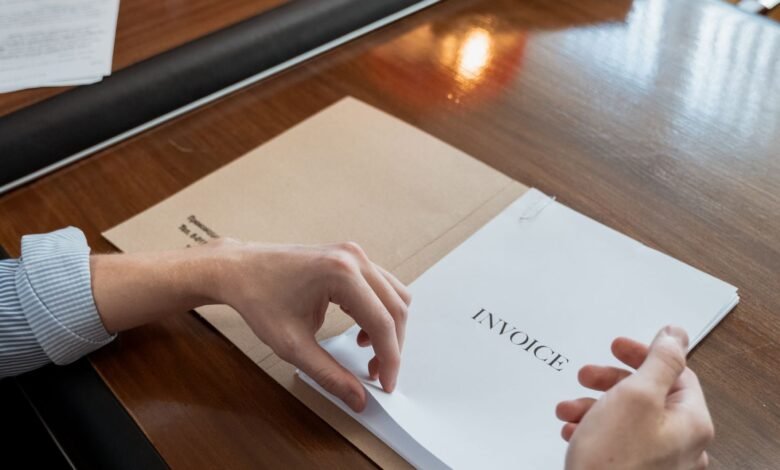
Your business can be profitable on paper and still run out of money. That is the trap most new owners fall into: they watch their profit and ignore their cash flow. Profit is what is left after costs on your accounts. Cash flow is the actual money moving in and out of your bank account — and it is what pays your suppliers, your staff and your rent on time.
Cash flow problems sit behind most small business failures. The good news is that cash flow is almost always fixable with a few disciplined habits. Here are seven practical ones that work for UK small businesses right now.
How can a small business improve cash flow quickly?
The fastest way to improve cash flow is to invoice customers the same day the work is done, keep payment terms at 30 days or less, chase every overdue invoice weekly, accept easy payment methods like bank transfer and card, cut costs you do not use, move tax money into a separate account, and keep a simple 13-week forecast of money in and out. Small, consistent habits beat one big fix.
1. Send every invoice the same day
Most late payments start as late invoices. If you finish a job on Monday and invoice on Friday, you have already added four days to your wait for no reason. Make it a rule: no work is “done” until the invoice is sent.
Your invoice should always show the amount, the due date, your bank details, and a reference the customer can quote. Cloud accounting tools like Xero, QuickBooks or FreeAgent let you invoice from your phone in under a minute, and they send automatic reminders for you. The less friction between finishing work and asking for money, the faster money arrives.
2. Set short, clear payment terms
Thirty days is the standard payment term in the UK, and if you agree no date at all, the law treats 30 days as the default. But 30 days is a maximum, not a target — for many small businesses, 14 days or even 7 days works better, especially for smaller invoices.
Put your terms in writing before the work starts: on your quote, your order confirmation and your invoice. Customers respect clear terms. Vague wording like “payment on receipt of invoice” often means payment whenever they get around to it. If you deal with larger companies that insist on 60-day terms, price that delay into your quote or ask for a deposit upfront.
3. Chase late payments properly — and know your rights
Chasing money feels awkward, but unpaid invoices are an interest-free loan to your customer. Build a simple routine: a polite reminder a few days before the due date, a firmer email the day after it passes, then a phone call a week later. Most late payments are forgetfulness, not malice, and a calm, regular process recovers most of them.
What many owners do not realise is that the law is on your side. Under the Late Payment of Commercial Debts (Interest) Act 1998, you can charge another business statutory interest of 8% plus the Bank of England base rate on overdue invoices — that is 11.75% a year for debts falling overdue in the second half of 2026. You can also claim fixed compensation of £40, £70 or £100 per invoice depending on the size of the debt. You do not need a late-payment clause in your contract; the right is automatic. GOV.UK explains exactly how to charge interest and claim debt recovery costs on late commercial payments. You do not have to use these powers on every customer — but mentioning them politely in a reminder often produces payment within days.

4. Make it easy for customers to pay you
Every extra step between your invoice and your bank account costs you days. Put your sort code and account number directly on the invoice, accept card payments for smaller amounts, and consider Direct Debit for repeat customers. Bacs transfers are free; card fees of 1–2% are often worth paying if they cut your average payment time from 40 days to 10.
For larger projects, never wait until the end to get paid. Ask for 30–50% upfront and stage the rest against milestones. Deposits do two jobs at once: they fund the work as it happens, and they filter out customers who were never serious about paying.
5. Review your costs every quarter
Money leaking out quietly is just as damaging as money arriving late. Once a quarter, go through your bank statements line by line and question every subscription, software plan and supplier contract. That £40-a-month tool nobody uses, the insurance that auto-renewed at a higher price, the supplier you have not repriced in two years — these small leaks add up to thousands a year.
Renegotiate with suppliers the same way you would want a customer to pay you: ask for early-payment discounts on your own bills, and where cash is tight, ask key suppliers for longer terms. A supplier who moves you from 14 to 30 days has effectively given you an interest-free loan for the difference.
6. Put tax money aside first — not last
One of the most common cash flow shocks for UK small businesses is the tax bill. Corporation Tax, Income Tax payments on account and VAT can each arrive as a five-figure demand if you have not planned for it. The fix is simple: every time money comes in, move a fixed percentage into a separate savings account and treat it as already spent.
How much to set aside depends on your structure — a limited company paying Corporation Tax needs a different percentage than a sole trader paying Income Tax and National Insurance. Our guide to how business tax works in the UK — it walks through each tax and when it falls due, so you can work out your own number. A separate tax pot turns a scary January bill into a non-event.
7. Keep a simple 13-week cash flow forecast
You cannot manage what you cannot see. A cash flow forecast is just a list of the money you expect in and out over the next 13 weeks, updated weekly. It takes an hour to set up in a spreadsheet and ten minutes a week to maintain — and it is the single most powerful cash flow tool a small business can have.
Here is a stripped-down example of what it looks like:
| Month | Expected money in | Expected money out | Closing balance |
|---|---|---|---|
| January | £8,500 | £6,200 | £2,300 |
| February | £7,000 | £6,800 | £2,500 |
| March | £9,200 | £7,100 | £4,600 |
The point is not perfect accuracy — it is early warning. When February shows money out nearly matching money in, you know in January to chase invoices harder, delay a purchase or arrange an overdraft before you need it. Banks and lenders also take you far more seriously when you can show them a forecast.
Frequently asked questions
What is the difference between cash flow and profit?
Profit is income minus expenses on your accounts, and it includes money you are owed but have not received yet. Cash flow is the actual cash entering and leaving your bank account. A business can show a £20,000 profit and still bounce a payment if £25,000 of invoices are unpaid. Cash flow pays the bills; profit is the scorecard.
How long should I give customers to pay an invoice?
Thirty days is the UK standard and the legal default when no date is agreed. For smaller invoices or new customers, 7–14 days is perfectly reasonable and common. Large corporate clients may push for 60 days — if you accept that, build the delay into your pricing or take a deposit. Always agree the term in writing before you start work.
What can I do if a customer simply will not pay?
Follow a clear escalation: polite reminders, then a formal letter before action giving them 14 days, then consider a debt collection agency or the small claims court (Money Claims Online handles debts up to £10,000 in England and Wales). Remember you can also add statutory interest and the £40–£100 fixed compensation to the debt. Act early — debts get harder to collect with every passing month.
How much cash should a small business keep in reserve?
Aim for three months of essential running costs as a buffer: rent, wages, loan payments and your own drawings. Build it gradually — even £200 a month into a separate account adds up. This reserve is what lets you survive a late-paying big client or a quiet month without panic borrowing.
The bottom line
Cash flow is not complicated; it is disciplined. Invoice fast, keep terms short, chase politely but firmly, make payment easy, trim costs, ring-fence your tax money and watch the next 13 weeks. None of these steps takes more than an hour to set up, and together they are the difference between a business that survives its first tough patch and one that does not. Pick the two habits you are worst at, fix them this week, and your bank balance will show the difference within a month.