Every new online seller asks the same question first: what should I actually sell? Pick the wrong product and you end up with a spare room full of stock nobody wants. Pick the right one and even a tiny shop can grow into a serious income.
This guide gives you 15 product ideas with real buyer demand, sensible profit margins, and practical for a beginner to source and ship. You will also learn how to judge any product idea yourself, plus the ideas to avoid and the legal bits to get right.
How to Pick a Winning Product (Read This First)
Before the list, here is the quick test every product idea should pass:
- Proven demand. People are already buying it. Search for it on Amazon UK, eBay and Etsy — if several sellers have hundreds of reviews, demand is real.
- Healthy margins. Aim for at least 3x your landed cost (product + shipping to you). A £3 item that sells for £15 leaves room for fees, ads and returns.
- Easy and cheap to post. Small, light, and hard to break beats big, heavy and fragile every time. Royal Mail costs rise fast with size and weight.
- Not owned by giant brands. You will not out-compete Amazon Basics on phone chargers. Look for categories where small sellers win on uniqueness, service or niche knowledge.
- UK-legal without drama. Electricals need UKCA marking, cosmetics need safety assessments, food has hygiene rules. Start with simpler categories.
If an idea passes all five, it is worth testing with a small first order.
15 Product Ideas That Sell Well in the UK
Home & Living
1. Eco-friendly cleaning refills and accessories Refill shops are booming as UK households cut plastic. Concentrated cleaning tabs, refill pouches, compostable sponges and bamboo brushes are light, cheap to post, and bought on repeat.
2. Home fragrance: candles, wax melts and diffusers Brits love a cosy home, and scented products sell all year round (with a big spike from October to December). Wax melts are small and cheap to ship, and unique scents — think "rainy Sunday" or "fresh linen" — let a small brand stand out.
3. Sleep products Poor sleep is a national pastime. Weighted eye masks, blackout sleep masks, pillow sprays and earplugs are compact, giftable, and buyers pay well for better sleep.
Pets
4. Premium pet treats and accessories The UK pet market keeps growing, and owners spend freely on their animals. Natural dog treats, cat toys, bandanas and personalised pet ID tags are light, photograph beautifully, and attract fiercely loyal repeat customers.
Gifts & Personalisation
5. Personalised gifts Personalisation is the small seller’s superpower against big retailers. Custom mugs, prints, pet portraits and engraved jewellery command higher prices and get shared on social media for free — and print-on-demand suppliers mean zero stock.
6. Party and event decorations From baby showers to milestone birthdays, the UK party market never sleeps. Balloon garland kits, table decorations and themed cake toppers are visual (great for social media) and easy to bundle into higher-value kits.
Health, Beauty & Wellness
7. Natural skincare and bath products Handmade soaps, bath bombs, body butters and lip balms remain Etsy bestsellers for a reason: they are small, feel luxurious, and make brilliant gifts. Do note that cosmetics sold in the UK need a safety assessment — use a compliant white-label supplier or get one done before you launch.
8. Reusable everyday essentials Reusable bottles, coffee cups, beeswax wraps and tote bags are sturdy, simple to store, and every purchase feels virtuous.
Hobbies & Outdoors
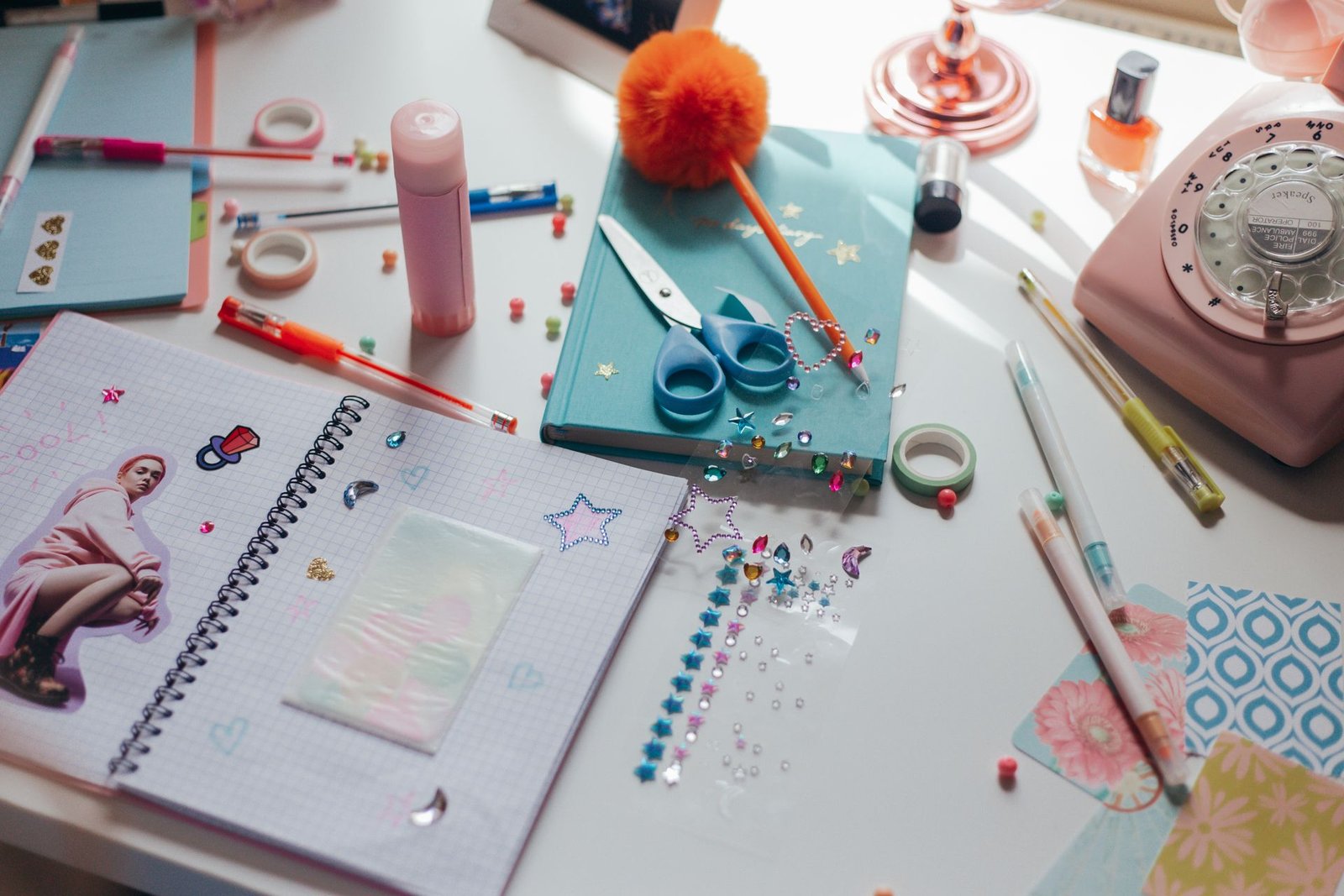
9. Craft and hobby kits Knitting kits, candle-making sets, embroidery starters and resin art kits surged in popularity and never fully faded — they make perfect gifts and sell strongly in autumn. Kits let you charge more than the sum of their parts because you are selling a finished experience, not just materials.
10. Grow-your-own and garden kits Herb growing kits, chilli plant sets, bird feeders and stylish planters tap into Britain’s love of gardening, even for people with only a windowsill. Seasonal peaks in spring make this a great complement to a year-round range.
Family
11. Baby and toddler essentials Parents buy constantly and recommend good products to other parents — word of mouth does your marketing. Muslins, teething toys, milestone cards and practical changing-bag organisers are light, and safety-conscious branding builds trust fast.
12. Educational and STEM toys Parents and grandparents love toys that feel "good for" children. Building sets, science experiment kits and puzzle games sell well, especially October to December. Stick to reputable suppliers: toys sold in the UK must meet safety standards and carry the UKCA mark.
Fashion & Accessories
13. Activewear and athleisure accessories Full clothing lines are hard for beginners (sizing = returns), but accessories are not: gym bags, resistance bands, yoga straps and sweat-proof headbands. They ride the fitness wave without the returns headache of fitted clothing.
14. Phone and tech accessories Skip generic chargers and go niche: unusual MagSafe wallets, handmade phone straps, bold-print laptop sleeves, or stands for home workers.
Food & Drink
15. Speciality food and drink Small-batch hot sauces, artisan teas, flavoured coffees and British snack boxes have passionate buyers. You must register with your council’s environmental health team and label allergens — but margins and loyalty are excellent once set up.
Product Ideas to Be Careful With as a Beginner
Treat these popular ideas with caution as a beginner:
- Cheap electronics and phone chargers — dominated by giant sellers, high return rates, and strict safety rules.
- Basic fashion clothing — sizing issues mean 30–40% return rates are normal, which destroys margins for small sellers.
- Supplements and health products — tightly regulated; you cannot make health claims without evidence, and getting it wrong is expensive.
- Branded or designer goods from unofficial suppliers — if the price looks too good, it is probably counterfeit, and selling fakes can get your accounts shut down permanently.
Where to Source Your Products in the UK
You have four main routes, and you can mix them:
- UK wholesalers (e.g. Faire, Ankorstore, or trade shows) — faster delivery to you, no customs surprises, and "sourced in the UK" is a selling point.
- Make it yourself — best for crafts, candles, soaps and personalised items; highest margins, but your time is the limit.
- Print on demand — t-shirts, mugs, prints and tote bags printed only when ordered. Almost no upfront cost.
- Dropshipping — the supplier ships directly to your customer. It is low-risk but competitive, so read our honest look at whether dropshipping is still worth it in the UK before you commit.
Order small first. Sell 20 units before you order 200 — your first batch is market research, not a commitment.
The Legal Bits Every UK Online Seller Must Know
Selling online in the UK comes with a short list of must-dos. None are scary, but skipping them is:
- Distance selling rules: customers buying online have a 14-day right to cancel for most goods. Your returns process must honour this — see GOV.UK’s guidance on online and distance selling for the full rules.
- Tell HMRC: if you are trading regularly with the aim of making a profit, register as self-employed with HMRC — even as a side hustle.
- Product safety: toys, electrics, cosmetics and children’s products all have specific UK rules and markings. Check before you list, not after a complaint.
- The basics: clear pricing (including delivery costs upfront), a privacy notice if you collect customer data, and honest product descriptions. Misleading listings breach consumer law.
Get these right from day one and you will sleep better than most new sellers.
FAQ
What is the most profitable thing to sell online in the UK?
There is no single answer — profit depends on your margins and how well you market. As a rule, personalised products, handmade goods and print-on-demand items have the highest margins because customers pay for uniqueness, not just materials.
What sells best online in the UK right now?
Pet products, home fragrance, personalised gifts, eco-friendly home goods and hobby kits are consistently strong performers for small UK sellers. Trends shift, so always check current demand on Amazon UK, eBay and Etsy before committing to stock.
Do I need to register a business to sell products online in the UK?
If you sell regularly with the intention of making a profit, HMRC considers you to be trading and you should register as self-employed. You do not need to form a limited company to start — many sellers begin as sole traders and incorporate later as they grow.
How much money do I need to start selling products online?
Less than most people think. Print-on-demand and dropshipping can start with under £100 (mainly your website costs). Buying your first small batch of stock wholesale typically costs £200–£500. Start lean, reinvest your profits, and scale what sells.
Conclusion
The best product to sell online in the UK is one with proven demand, healthy margins, and packaging your postman will not hate you for. Pick the one or two ideas that match your interests and budget — genuine enthusiasm shows in your listings.
Then validate before you invest: list a small batch, run it past real buyers, and let sales data — not guesswork — decide what you scale. Your first product does not need to be perfect. It just needs to be for sale.