
How to Start a Cleaning Business in the UK (2026): Real Costs, Rules, First Clients


Starting a cleaning business in the UK is one of the cheapest ways to become self-employed: most domestic cleaners launch for roughly £1,000, need no qualifications, and can win their first paying client within weeks. This guide covers the real 2026 startup costs, the rules you must follow (registration, insurance, DBS checks), what to charge for each service, and a practical 30-day plan to land your first clients.
How Much Does It Cost to Start a Cleaning Business in the UK?
Here is what a typical one-person domestic cleaning startup spends in 2026. Buying decent kit once beats replacing cheap kit twice — these are realistic mid-range figures drawn from current UK trade guides, not the cheapest possible and not franchise-level either.
| Item | Typical cost (2026) |
|---|---|
| Vacuum cleaner (commercial-grade) | £250 |
| Mop, bucket, brushes, dusters, gloves | £100 |
| Sponges and microfibre cloths | £50 |
| Cleaning chemicals (starter stock) | £80 |
| Uniform / branded polo shirts | £150 |
| Public liability insurance (first year) | £80–£180 |
| Registering as a sole trader with HMRC | Free |
| Basic DBS check (optional but recommended) | £20 |
| Flyers, business cards, simple website | £50–£200 |
| Transport — own car, first month’s fuel | £50–£200 |
| Realistic total to launch | Around £800–£1,200 |
If you already own a good vacuum and a car, you can genuinely start for a few hundred pounds — which is why template-style guides that quote one-size-fits-all figures are so misleading. You do not need a franchise, a shop, or staff to begin: most UK cleaning businesses start as one person with a vacuum and a mop.
Ongoing monthly costs
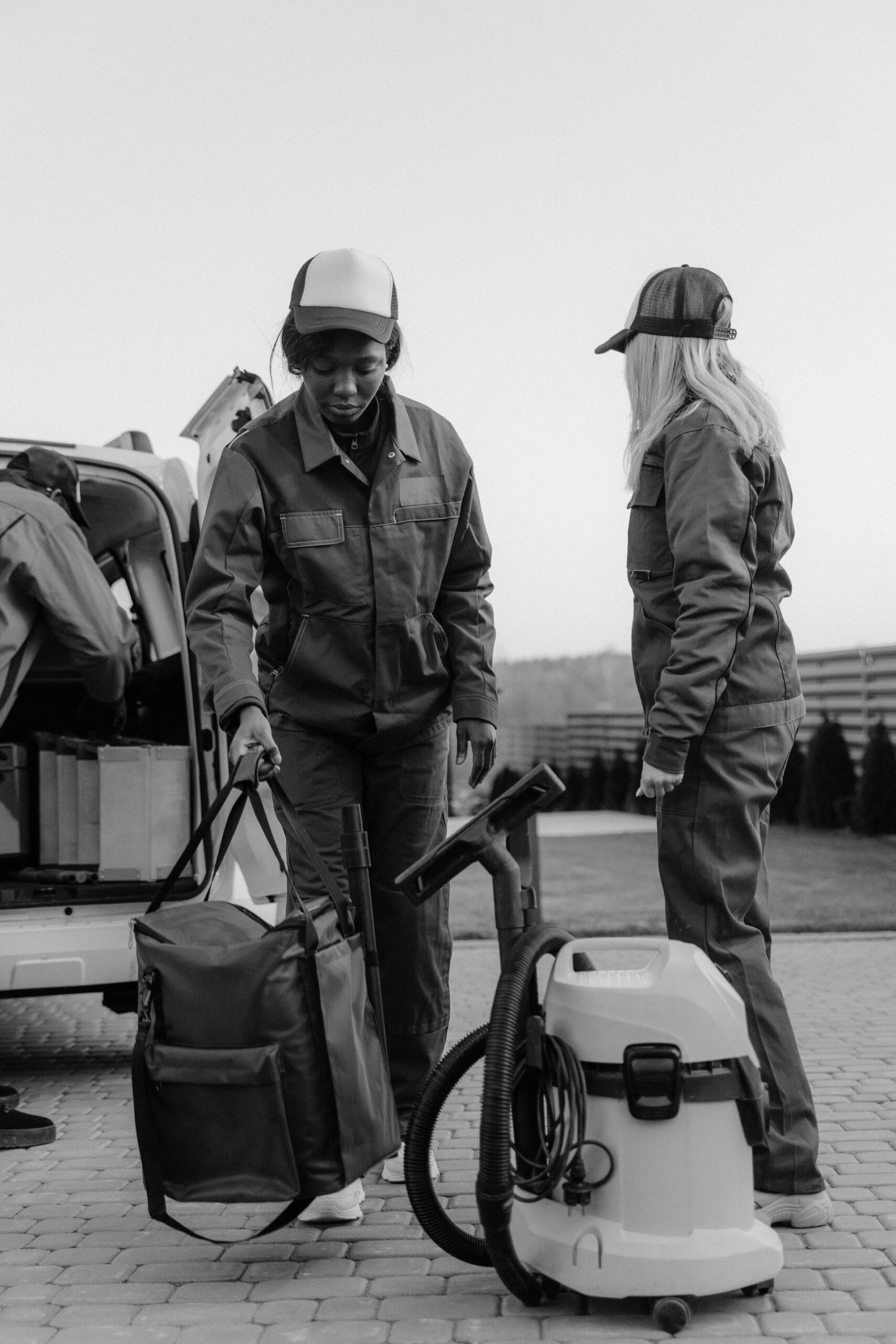
Once you are running, budget for replacement chemicals and consumables (£30–£80 a month), fuel or travel (£50–£200), insurance (roughly £5–£15 a month if paid monthly), and a small marketing budget. Set aside 20–30% of every payment for tax — as a sole trader you pay Income Tax and National Insurance through Self Assessment, with the bill due each 31 January.
Step 1: Register Your Business the Right Way
Almost every new cleaning business starts as a sole trader: it is free to register as a sole trader on GOV.UK, you keep all the profit, and the paperwork is minimal. Technically you must register by 5 October in your business’s second tax year — but do it before you take your first client so everything is clean from day one.
Forming a limited company costs £100 online via Companies House (the fee rose from £50 on 1 February 2026) and gives you limited liability, which some commercial clients prefer. For most domestic cleaners, sole trader is the simpler starting point; you can incorporate later when turnover grows.
One warning worth repeating, because a competing guide still ranking on Google gets it wrong: the UK VAT registration threshold is £90,000 (since April 2024), not £85,000. You only need to register for VAT once your taxable turnover passes £90,000 in any rolling 12 months — very few new cleaning businesses hit that in year one, and voluntary registration usually hurts: private customers cannot reclaim the 20%, so your prices effectively rise by a fifth.
Step 2: Insurance, DBS Checks and the Rules Clients Expect
Cleaning happens inside people’s homes and businesses, so insurance and background checks are not really optional in practice — even where the law does not demand them.
Insurance you actually need
- Public liability insurance — covers damage to a client’s property or injury you accidentally cause (a knocked-over TV, a scratched wooden floor). Policies typically offer £1–£5 million of cover and cost £80–£180 a year for a sole trader. Read our full guide to business insurance for your cleaning business for what each type covers and what to watch in the small print.
- Employers’ liability insurance — legally required the moment you employ anyone, even part-time. Minimum cover is £5 million from an authorised insurer, and the fine for going without is £2,500 per day.
- Tools and equipment cover — an optional add-on worth considering once your kit is worth a few hundred pounds; it covers theft or damage to vacuums and specialist machines.
Note: professional indemnity insurance — often listed in generic startup guides — is for advice-giving professions and is not something a domestic cleaning business needs.
DBS checks: not required, but they win work
There is no legal requirement for a DBS check to clean private homes. But many clients ask for one, and reputable cleaning platforms require it. A basic DBS check costs £20 (reduced from £21.50 on 5 October 2026) and you apply directly on GOV.UK. Commercial contracts in schools, care homes and NHS sites usually demand an enhanced check (£41), which you arrange through a registered umbrella body. Either way, mention it on your flyers and quotes — it genuinely wins work.
COSHH and business waste
If you use professional chemicals, COSHH rules require you to assess the risks (your supplier’s safety data sheets cover this) and store products safely — never mix bleach with acids or ammonia, which releases toxic chlorine gas. And your waste is business waste, never household waste: you may not dump used cloths and empty chemical bottles in a client’s domestic bin on a commercial job. The duty of care means using a licensed waste carrier and keeping waste transfer notes for two years; fly-tipping business waste carries a £300 fixed penalty or a fine of up to £5,000.
Step 3: Decide What to Charge (2026 UK Rates)
Price too low and you will burn out; price too high with no reviews and the phone stays silent. These are typical 2026 rates for independent UK cleaners:
| Service | Typical UK rate (2026) |
|---|---|
| Regular domestic cleaning (weekly/fortnightly) | £16–£25 per hour |
| One-off deep clean | £20–£28 per hour |
| End-of-tenancy clean (fixed price) | £175–£450+ |
| After-builders clean | £30–£35 per hour |
| Commercial / office cleaning | £18–£26 per hour |
| Minimum booking | Usually 2–3 hours per visit |
Rates run higher in London and the South East (often £18–£24 an hour even for regular domestic work) and lower in smaller towns (£14–£18). Start at the middle of your local range, not the bottom: undercutting everyone wins the worst clients — the ones who haggle over every minute. Publish a simple fixed price list on your flyer or website so clients never have to ask.
Worked example: charge £20 an hour for regular domestic cleans and book 20 hours a week — that is £400 a week, or roughly £1,700 a month before tax and expenses. Add two end-of-tenancy cleans a month at £250 each and that is another £500. This is how part-time cleaners reach a full-time income within months, and why keeping travel time low matters so much: every unpaid hour between jobs comes straight off that figure.
Which Cleaning Services Make the Most Money?
Not all cleaning work pays equally. Regular domestic cleans give you steady weekly income but at the lowest hourly rate. The real margin sits in specialist, fixed-price jobs where clients pay for the result, not the hours:
- End-of-tenancy cleans — £175–£450+ per job, and letting agents are repeat referrers. A 2-bed flat typically takes 4–6 hours, so the effective hourly rate comfortably beats domestic work.
- After-builders cleans — £30–£35 an hour; builders and developers need reliable cleaners on every project and tend to pay on time.
- Deep cleans and oven cleans — priced per job at roughly £20–£28 an hour equivalent; clients expect to pay more because the work is visibly harder.
- Commercial contracts — £18–£26 an hour but with guaranteed weekly hours; one small office on a weekly contract is worth five domestic clients for planning purposes.
- Holiday-let turnarounds — fixed per-changeover pricing with high volume in tourist areas; Airbnb hosts value speed and reliability over the lowest price.
A sensible first-year mix: fill weekdays with regular domestic clients for stability, and stack fixed-price specialist jobs at weekends where the margin is highest. This is also the natural upsell path — a client who trusts you with their weekly clean is an easy sell for a deep clean twice a year.
Step 4: Win Your First Clients — A 30-Day Plan
Marketing a cleaning business is refreshingly old-fashioned: local visibility beats clever branding every time.
Week 1 — Set up your shopfront. Register as a sole trader, sort your insurance, print 500 flyers (around £50–£100 at a local printer), and create a free Google Business Profile so you appear in “cleaner near me” searches. Photograph your own home cleaned to a professional standard — before-and-after shots are your first portfolio.
Week 2 — Leaflet your patch. Deliver flyers to 300–500 homes within a few miles of where you live; travel time is profit, so keep your patch tight. Knock on doors where you can — a 30-second introduction converts far better than a flyer alone. Post in local Facebook groups and on Nextdoor: “new local cleaner, first clean half price” is a proven opener.
Week 3 — List everywhere free. Add profiles on Checkatrade, Bark and Rated People alongside your Google profile. Ask your first clients for reviews immediately after the clean — five Google reviews make you look established. Offer a referral deal: £10 off for every friend a client sends you.
Week 4 — Follow up and systematise. Call back everyone who enquired but did not book. Start a simple booking routine (even a notebook works at first) and a basic invoice template. By now, one or two regular weekly clients plus a few one-offs is a realistic, honest result — and momentum compounds from here, because cleaning is a referral business: one happy client in a street is worth fifty flyers.
Frequently Asked Questions
Do I need qualifications to start a cleaning business in the UK?
No. There are no required qualifications for domestic cleaning. Short courses — COSHH awareness, carpet cleaning, specialist services — can justify higher prices later, but none are needed to start.
Is a cleaning business profitable in the UK?
Yes, for owner-operators: with startup costs around £1,000 and hourly rates of £16–£25, margins are strong once you are booked 15–20 hours a week. Profitability collapses only if you underprice or spend too long travelling between jobs — keep your patch tight.
Should I start as a sole trader or a limited company?
Start as a sole trader — it is free, simple, and right for most domestic cleaners. Consider a limited company when you hire staff, take on commercial contracts, or want limited liability as turnover grows.
Do I need a DBS check to be a cleaner?
Not legally for private homes, but a basic check costs just £20 and builds instant trust — many clients ask for one. Schools, care homes and similar contracts usually require an enhanced DBS check (£41).
The Bottom Line
A UK cleaning business remains one of the most realistic startups going: low cost to launch, no qualifications needed, and demand that barely moves in a downturn. Register properly, insure yourself, price with confidence, and work your local patch hard for 30 days. Do that, and the business starts building itself from referrals.