Business Tax for Startups: Sole Trader vs Limited Company — Which Pays Less in 2026/27?


The short answer
If you take every pound of profit out, a sole trader usually pays less business tax than a limited company — at £30,000, £60,000 and even £100,000 profit. The company only starts winning when you leave money inside it.
That surprises most founders, because the headline rates suggest the opposite: corporation tax is 19% on the first £50,000 of company profit, while a sole trader can pay 40% income tax on the same money. But a company director pays tax twice — inside the company, then again on dividends — and employer National Insurance on the salary eats the rest of the advantage.
The worked examples below show the exact bill at three profit levels, so you can see where your own startup sits. The maths works the same for every founder, including the growing number of women-led startups weighing up these two structures. All figures are for 2026/27, using the tax bands for England, Wales and Northern Ireland — Scotland sets its own bands.
How each tax bill is built
As a sole trader, you and the business are the same person for tax. Every pound of profit is your income. You pay income tax on it, plus Class 4 National Insurance. There is no separate company tax bill, and no way to leave profit untaxed — HMRC taxes it whether you spend it or not. Admin is light: one Self Assessment return a year, and no cash Class 2 National Insurance once profits pass £7,105.
As a limited company director, the company is a separate person: it pays corporation tax on its profit, and you pay personal tax only on what you take out — usually a £12,570 salary, which exactly uses up your personal allowance, and the rest as dividends. But the salary costs employer National Insurance, and dividends are taxed on top of corporation tax already paid. That double layer is the whole story.
| Tax | Sole trader (2026/27) | Limited company (2026/27) |
|---|---|---|
| Personal allowance | £12,570 tax-free | £12,570 tax-free (covers the salary) |
| Income tax | 20% to £50,270, 40% to £125,140, 45% above | Only on salary and dividends taken out |
| National Insurance | Class 4: 6% on profits £12,570–£50,270, 2% above | Employer NIC: 15% on salary above £5,000 |
| Company tax | None | Corporation tax: 19% to £50,000, 25% above £250,000, marginal relief between |
| Dividend tax | None | 10.75% basic rate, 35.75% higher rate, 39.35% additional rate; first £500 tax-free |
One more figure that matters: the Employment Allowance, worth up to £10,500 a year off an employer’s National Insurance bill, is not available to a company with only one director and no other employees. So a solo founder running a one-director company pays the full employer National Insurance on their salary, as the examples below assume.
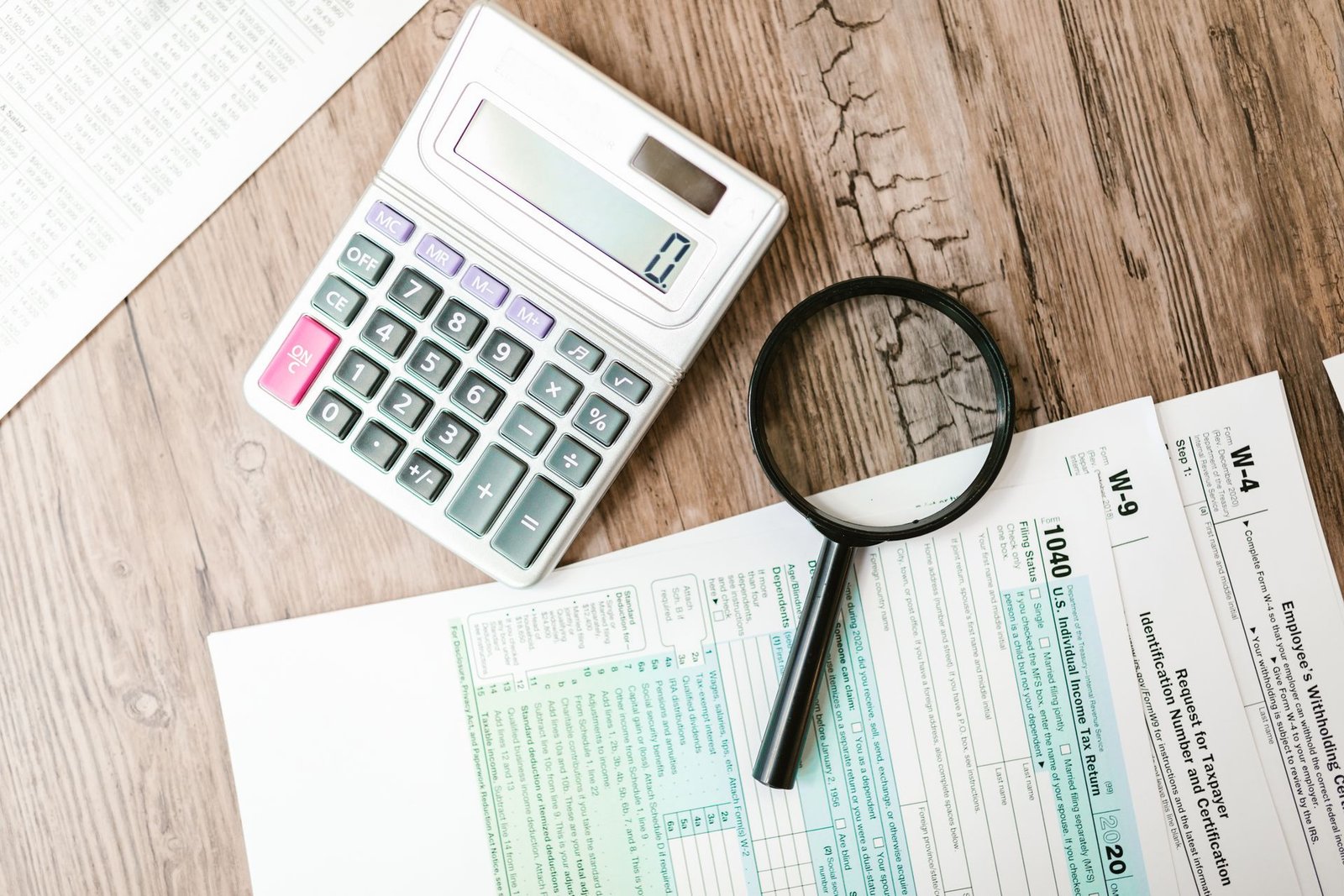
Worked examples: the tax bill at £30,000, £60,000 and £100,000 profit
These examples assume the founder takes all the profit out — salary plus dividends for the company, everything as personal income for the sole trader.
At £30,000 profit: the sole trader wins by £1,064.75
Sole trader: income tax on £30,000 less the £12,570 allowance leaves £17,430 taxable at 20% — £3,486. Class 4 is 6% on the same £17,430 — £1,045.80. Total tax: £4,531.80. The founder keeps £25,468.20.
Limited company: the £12,570 salary costs the company £1,135.50 in employer National Insurance, leaving £16,294.50 of company profit. Corporation tax at 19% is £3,095.96, leaving £13,198.54 available as dividends. Dividend tax is 10.75% on everything above the £500 allowance, which is £1,365.09. Total tax: £5,596.55. The founder keeps £24,403.45.
At this level the company costs more, because the director is taxed three times on the same money.
At £60,000 profit: a dead heat
Sole trader: income tax is £7,540 at 20% on the first £37,700 of taxable income, plus £3,892 at 40% on the remaining £9,730 — £11,432. Class 4 is £2,262 at 6% up to £50,270, plus £194.60 at 2% above it — £2,456.60. Total tax: £13,888.60. The founder keeps £46,111.40.
Limited company: after the £12,570 salary and £1,135.50 employer National Insurance, company profit is £46,294.50. Corporation tax at 19% is £8,795.96, leaving £37,498.54 in dividends. Dividend tax is £3,977.34 at 10.75% above the £500 allowance. Total tax: £13,908.80. The founder keeps £46,091.20.
The difference is £20.20 — small enough for a single allowable expense to wipe out. At £60,000, the two structures cost essentially the same if you take everything out.
At £100,000 profit: the sole trader still wins by £4,101.77
Sole trader: income tax is £7,540 at 20%, plus £19,892 at 40% on the £49,730 above the basic-rate band — £27,432. Class 4 is £2,262 at 6% plus £994.60 at 2% — £3,256.60. Total tax: £30,688.60. The founder keeps £69,311.40.
Limited company: after salary and employer National Insurance, company profit is £86,294.50. Corporation tax is 25% less marginal relief of 3/200 of the gap to £250,000, which works out at £19,118.04. That leaves £67,176.46 in dividends. Dividend tax is £3,999 at 10.75% on the basic-rate slice, plus £10,537.83 at 35.75% on the higher-rate slice — £14,536.83 in total. Total tax: £34,790.37. The founder keeps £65,209.63.
This is the result that catches founders out: at £100,000, the 35.75% higher dividend rate bites on money that has already paid corporation tax.
| Profit | Sole trader total tax | Limited company total tax | Cheaper option |
|---|---|---|---|
| £30,000 | £4,531.80 | £5,596.55 | Sole trader by £1,064.75 |
| £60,000 | £13,888.60 | £13,908.80 | Dead heat (£20.20 apart) |
| £100,000 | £30,688.60 | £34,790.37 | Sole trader by £4,101.77 |
The twist: the limited company wins when you leave money in it
Everything above assumes you take all the profit out. Change that one assumption, and the answer flips — and this is the real reason many startups incorporate.
Take the same £100,000 profit, but the director takes only £50,000 out (the £12,570 salary plus £37,430 of dividends) and leaves the rest in the business. Corporation tax is still £19,118.04, dividend tax on the smaller dividend is only £3,969.98, and with the £1,135.50 employer National Insurance the total tax this year is £24,223.52 — against £30,688.60 as a sole trader — with £29,746.46 still in the company, ready to fund stock, equipment or a hire.
A sole trader cannot do this: every pound of profit is taxed as personal income in the year it is earned. A company lets you choose when money becomes personal income, and that timing is worth thousands a year once profits are strong enough to leave a cushion behind.
So the honest rule is not “companies pay less tax” but “companies pay less tax on the money you don’t need yet.” If you need every pound to live on, the sole trader route is usually cheaper in the early years; if you can leave £20,000 or £30,000 in the business, the company starts to pull ahead — and the more you leave in, the bigger the gap.
Five things that can change the answer
1. Pension contributions. A company can pay pension contributions for its director straight from the business, as a deductible cost that reduces corporation tax. A sole trader’s contributions come from already-taxed income, so the relief works differently — for founders planning serious pension saving, this alone can tilt the maths.
2. The Employment Allowance. A company with employees can claim up to £10,500 a year off its employer National Insurance bill. That wipes out the £1,135.50 employer National Insurance in our examples and more. But remember it is not available to a one-director-only company, so it only helps once you hire.
3. Losses. A sole trader’s trading loss can be set against other income in the same year, or carried back. A company’s loss stays inside the company and can only be carried forward against future company profits — so if you have a salary or other income alongside the startup, the sole trader route gives more flexibility with early losses.
4. Admin and filing costs. Running a company costs more: annual accounts at Companies House, a £50-a-year confirmation statement, and usually an accountant’s fee, against a single Self Assessment return for a sole trader. At £30,000 profit, a few hundred pounds of extra admin can erase the tax differences entirely.
5. VAT is separate from structure. Crossing the £90,000 turnover threshold means registering for VAT whichever structure you choose. VAT is charged on turnover, not profit, so it does not change the comparison above — but it is the tax that catches growing startups by surprise. If you want the full picture of what a new business pays, start with our guide to business tax in your first year.
So which structure should your startup choose?
If you need every pound you earn to live on, start as a sole trader. It is cheaper on tax at the profit levels most new startups reach, it is simpler to run, and you can switch later — many founders incorporate once profits pass £60,000 to £80,000 and they can afford to leave money in the business.
If you can already leave a chunk of profit in the business, or you plan to hire soon and claim the Employment Allowance, the limited company is the better long-term home. Its real advantage is not a lower rate on the money you take out — it is control over when that money is taxed. Before you decide, check the current rates on GOV.UK’s corporation tax rates page, and talk the numbers through with an accountant for your own situation, because your exact profit, pension plans and other income all move the answer.
FAQ
Do I pay less tax as a sole trader or a limited company?
It depends on your profit and how much of it you take out. If you take everything out, a sole trader pays less at £30,000, about the same at £60,000, and less again at £100,000 in 2026/27. The company only wins when you leave profit inside it.
At what profit does a limited company start saving tax?
There is no single crossover point if you withdraw all your profit — in our worked examples the company never wins on full withdrawal. The saving appears when you leave money in the company: at £100,000 profit, taking only £50,000 out cuts the year’s tax from £30,688.60 as a sole trader to £24,223.52 through a company.
Can I start as a sole trader and switch to a limited company later?
Yes. Many founders start as sole traders for the lower tax and simpler admin, then incorporate once profits are high enough to leave money in the business. The switch itself has tax and admin steps, so plan it before the tax year ends rather than mid-year.
Do I need an accountant to work this out?
Not legally, but it is worth it once the choice matters. The figures above assume a £12,570 salary and the rest in dividends, no pension contributions and no other income. Your own pension plans, other income or Scottish tax bands can change the answer, and an accountant will run your exact numbers in minutes.
Conclusion
The cheapest structure is not the one with the lowest headline rate — it is the one that fits how much profit you actually take home. For most founders in their first years, that is the sole trader route: less tax at £30,000 and £100,000 profit, a dead heat at £60,000, and far less admin. The limited company earns its place later, when profit is strong enough to leave money in the business. Run your own numbers at your own profit level, and choose the structure that matches where your startup is now — not where you hope it will be in three years.