
Should Your Startup Register for VAT Before £90,000? Voluntary VAT Explained (2026/27)


Most UK startups assume VAT registration only matters once sales pass £90,000. In fact, you can register long before that — and for some startups, registering early puts real money back in the business. For others, it quietly eats their profit. The difference comes down to one thing: who your customers are.
The short answer: voluntary registration pays off when most customers are VAT-registered businesses, or when startup costs are high. It usually costs money when you sell mainly to the public, because ordinary customers cannot reclaim the VAT you add. Work through the maths below first.
If the compulsory side is new to you, read our guide to VAT registration for startups and the £90,000 threshold first. This article covers the voluntary decision only.
What Voluntary VAT Registration Actually Means
You must register when taxable turnover goes over £90,000 in any rolling 12 months, or when you expect it to go over £90,000 in the next 30 days alone. Below that level, registration is your choice — GOV.UK states plainly that you can choose to register under £90,000.
Once registered, three things change from your effective date of registration: you charge VAT on your sales (standard rate 20%, so a £1,000 service becomes £1,200 unless zero- or reduced-rated); you reclaim VAT on business purchases such as equipment, software and stock through your VAT returns; and you file VAT returns, usually every quarter, keeping digital records under Making Tax Digital for VAT and putting your 9-digit VAT number on every invoice. VAT applies to all taxable sales from your effective date — you cannot pick and choose.
When Voluntary Registration Pays Off
Voluntary registration most likely helps when:
| Your situation | Why it pays off |
|---|---|
| Most customers are VAT-registered businesses | They reclaim your VAT; you reclaim VAT on your costs |
| High startup costs (equipment, stock, software, fit-out) | You recover 20% VAT on big early purchases |
| You sell zero-rated goods or services | You charge little/no VAT but still reclaim on purchases |
| You expect to pass £90,000 soon | Avoids a rushed registration; cleaner pre-registration reclaim |
| You want to look established to corporate clients | A VAT number signals a serious trading business |
There is also a hidden bonus many founders miss. Once registered, you can reclaim VAT on things you bought before registration: goods bought up to four years earlier, provided you still hold them, and services bought up to six months earlier. That covers laptops, stock, tools and early professional fees — as long as you kept valid VAT invoices. Keep every purchase invoice from day one, even before registration is on your radar.
When Voluntary Registration Costs You Money
Voluntary registration usually hurts when you sell mainly to people who cannot reclaim VAT — ordinary consumers and small non-VAT-registered businesses. For them, your 20% VAT is a real price rise, not a paperwork exercise. You then face an unhappy choice:
- Raise your prices by 20% and risk losing sales to unregistered competitors, or
- Absorb the VAT and lose one-sixth of every VAT-inclusive sale to HMRC.
Add the admin burden: quarterly returns, digital record-keeping and VAT invoices. For a tiny consumer-facing startup with low costs, that burden buys you nothing — there is little input VAT to reclaim, and your customers foot the bill. Quick rule of thumb: if your customers cannot reclaim VAT and your VAT-able purchases are small, stay unregistered until you must register.
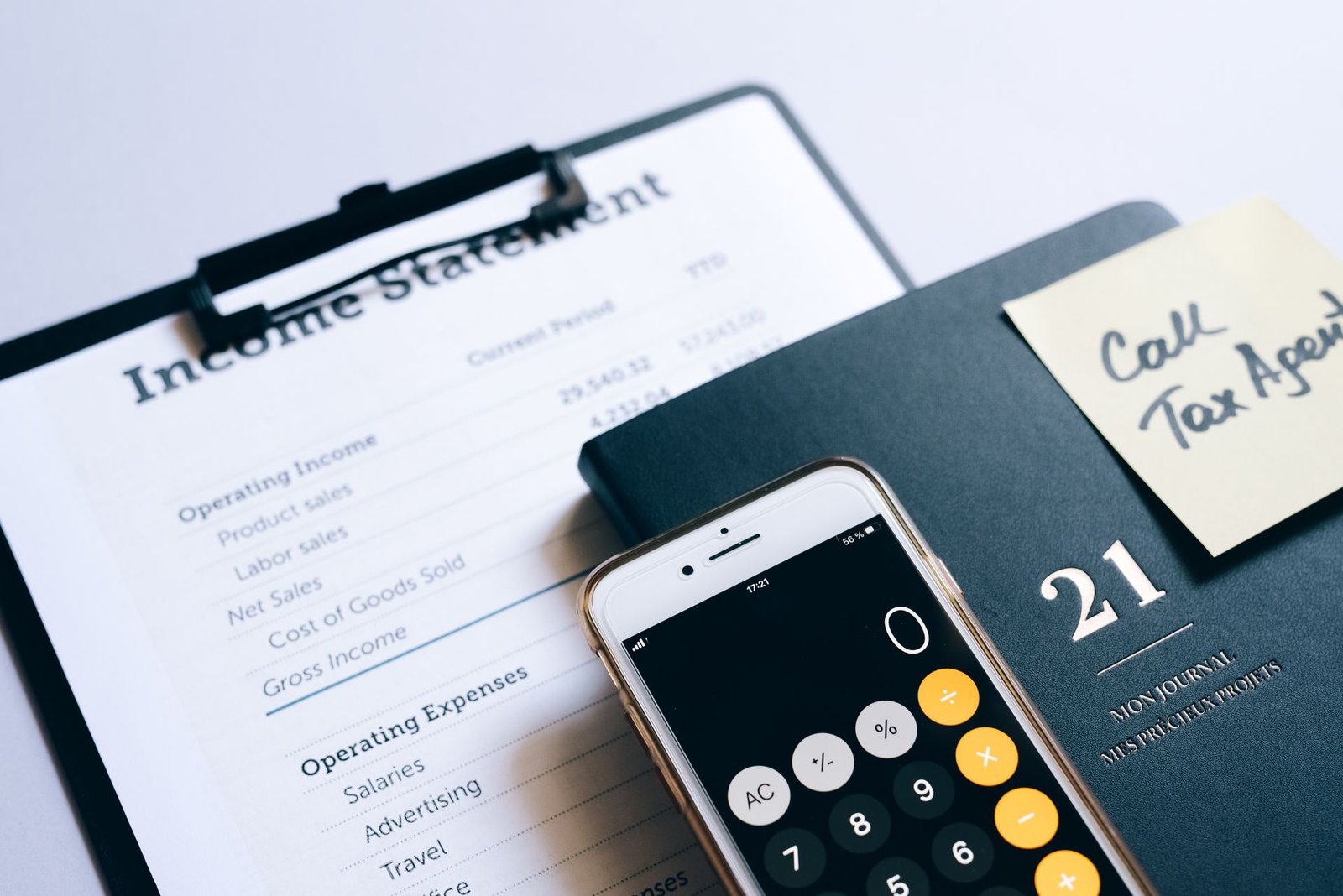
Worked £ Example: The Same Startup, Two Outcomes
Meet Maya, who launches a branding studio. In her first year she spends £12,000 including VAT on a laptop, software and subcontractors — £10,000 plus £2,000 of VAT.
If Maya sells to VAT-registered businesses
Her sales are £48,000 to VAT-registered clients. Registered, she charges 20% on top: £9,600 output VAT. She reclaims her £2,000 input VAT and pays HMRC £7,600 net. Her clients reclaim the £9,600 themselves, so her prices cost them no more than before. Against staying unregistered — where the £2,000 input VAT would simply be lost — voluntary registration leaves her £2,000 better off, minus a little admin time.
If Maya sells to the public instead
Her sales are £48,000 to consumers, VAT-inclusive. Output VAT is £8,000 (one-sixth of £48,000); less £2,000 input VAT, she pays HMRC £6,000. Her margin after purchases and VAT is £30,000, against £36,000 unregistered. Voluntary registration costs her £6,000 — unless she raises prices 20%, which may cost her customers instead.
“Should I register early?” has no universal answer — only a customer-based one.
Should You Consider the Flat Rate Scheme?
If you do register voluntarily, the Flat Rate Scheme is worth a look. Open to businesses with taxable turnover of £150,000 or less, it lets you pay HMRC a fixed percentage of your VAT-inclusive turnover by industry instead of reclaiming input VAT invoice by invoice, with a 1% discount for the first 12 months of registration. It suits low-cost service startups, but beware the trap: if you spend very little on goods, you may be classed as a “limited cost trader” and pay 16.5% — which can cost more than standard VAT accounting. Run both calculations before joining.
How to Register Voluntarily, Step by Step
If the maths points to yes, registration is straightforward:
- Check you qualify. You must be in business, or intending to make taxable supplies, at any turnover level including £0.
- Gather your details. For a limited company: company number, bank details, Unique Taxpayer Reference and a 12-month turnover estimate. For a sole trader: National Insurance number, identity document, bank details and the same estimate.
- Apply online through the GOV.UK service. You can save your application and return to it later.
- Choose your effective date carefully. It affects which pre-registration purchases you can reclaim, and HMRC will not simply move it later if you get it wrong.
- Wait for your VAT number. HMRC writes with your 9-digit number, first return date and effective date. You cannot add VAT to invoices until you have the number.
- Set up your VAT online account and digital records. HMRC signs most businesses up to Making Tax Digital for VAT automatically, so use software that files returns directly.
Full details of what you need are on the GOV.UK guidance on registering for VAT.
Can You Cancel If It Does Not Work Out?
Yes — it is not a life sentence. If taxable turnover falls below £88,000, you can ask HMRC to cancel, and you must cancel within 30 days if you stop being eligible, for example by stopping trading. But cancelling has paperwork: you may have to account for VAT on stock and assets you still hold, and you lose input-VAT reclaim from that date. Treat it as a safety valve, not a free trial — if unsure, talk to an accountant before registering, not after.
Voluntary VAT: A Quick Decision Checklist
Before you apply, check:
- Who buys from you? Mostly VAT-registered businesses — lean yes. Mostly consumers — lean no.
- How big are your VAT-able costs? Over a few thousand pounds a year — lean yes. Almost nothing — lean no.
- Are your sales zero-rated? Yes — lean strongly yes, since you reclaim without charging.
- Will you pass £90,000 within a year? Yes — registering early is cleaner than rushing later.
- Can you handle quarterly returns? If admin already overwhelms you, factor in software or an accountant’s fee.
If most answers point one way, follow them; if split, the deciding question is who your customers are.
FAQ: Voluntary VAT Registration for Startups
Can I register for VAT if my turnover is £0?
Yes, provided HMRC accepts that you are in business or intend to make taxable supplies. Brand-new startups with big setup costs often do exactly this.
Do I have to charge VAT on everything I sell once registered?
You must charge VAT on all taxable sales from your effective date — 20%, 5% or 0% depending on the goods or services. Only exempt or out-of-scope sales sit outside VAT, and if you only make those, you generally should not register at all.
Can I reclaim VAT I paid before I registered?
Yes, within limits: VAT on goods bought up to four years before registration, if you still hold them, and VAT on services received up to six months before registration. You need valid VAT invoices and the purchases must relate to your taxable business.
What happens if I register voluntarily and then my sales stay small?
You simply keep filing returns and charging VAT. If taxable turnover falls below £88,000 you can ask HMRC to cancel, though you may need to account for VAT on assets you still hold. If sales stay small and mostly consumer-facing, cancelling is often the right call.
Conclusion
Voluntary VAT registration is a maths decision, not a milestone. For a startup selling to VAT-registered businesses, or one with heavy early costs, registering before £90,000 can recover thousands of pounds otherwise lost. For a consumer-facing startup with low costs, it can quietly hand one-sixth of every sale to HMRC. Check who your customers are, add up your reclaimable VAT, and run the worked example with your own numbers. If yes, register deliberately, with your effective date chosen on purpose and records ready from day one. If no, keep your invoices safe: the day you cross £90,000, those pre-registration purchases could still be worth reclaiming.