

To complete a Self Assessment tax return, register with HMRC for Self Assessment, gather your income and expense records, fill in the SA100 form plus the sections that apply to you (SA103 for self-employment), check HMRC’s tax calculation, then submit online and pay by 31 January 2027 for the 2025/26 tax year.
If that sounds like a lot, it is — but it is a process, not a puzzle. Work through it one section at a time, and most self-employed returns take a couple of focused hours once the records are in order.
Who needs to file a Self Assessment tax return?
You need to file if HMRC has sent you a notice to file, or if in the tax year you were self-employed as a sole trader and earned more than £1,000 in gross trading income. The £1,000 figure is the trading allowance: earn £1,000 or less from self-employment and you generally do not need to register or file for that income. You may also need to file for untaxed income such as rent, savings or investment income over the allowances, or as a company director with income outside PAYE. If you are unsure, HMRC’s online checker will tell you in a few minutes whether you need to file.
Step 1: Register and get your Unique Taxpayer Reference
If you have never filed before, you must register for Self Assessment. HMRC then posts you a 10-digit Unique Taxpayer Reference (UTR) — usually within about 15 working days — and you need it, plus a Government Gateway user ID, to file online.
For the 2025/26 tax year the registration deadline was 5 October 2026. If you missed it, do not wait: register now. The failure-to-notify penalty is based on tax still unpaid at 31 January, so if you register, file and pay in full by 31 January 2027 there is usually nothing to charge.
Step 2: Gather your records before you log in
Filing is far quicker when everything is to hand. Before you start, collect:
- Your UTR and National Insurance number
- Invoices and sales records for the whole tax year (6 April 2025 to 5 April 2026)
- Receipts for every allowable business expense
- Bank statements for your business account
- Any P60 or P45 if you also had employment income
- Records of rental income, savings interest, dividends or capital gains, if any
- Pension contribution certificates and Gift Aid donation records
Keep these records for at least five years after the 31 January filing deadline — HMRC can ask to see them.
Key dates for the 2025/26 return
| What | Date | Notes |
|---|---|---|
| Register for Self Assessment (first-timers) | 5 October 2026 | Register as soon as possible if you missed it |
| Paper return deadline | 31 October 2026 | Online filing gives you three extra months |
| Online return deadline | 31 January 2027 | File by 11:59pm |
| Tax payment deadline | 31 January 2027 | Balancing payment plus first payment on account, if one applies |
| Second payment on account | 31 July 2027 | Usually 50% of the previous year’s bill |
Step 3: Complete the SA100 main form
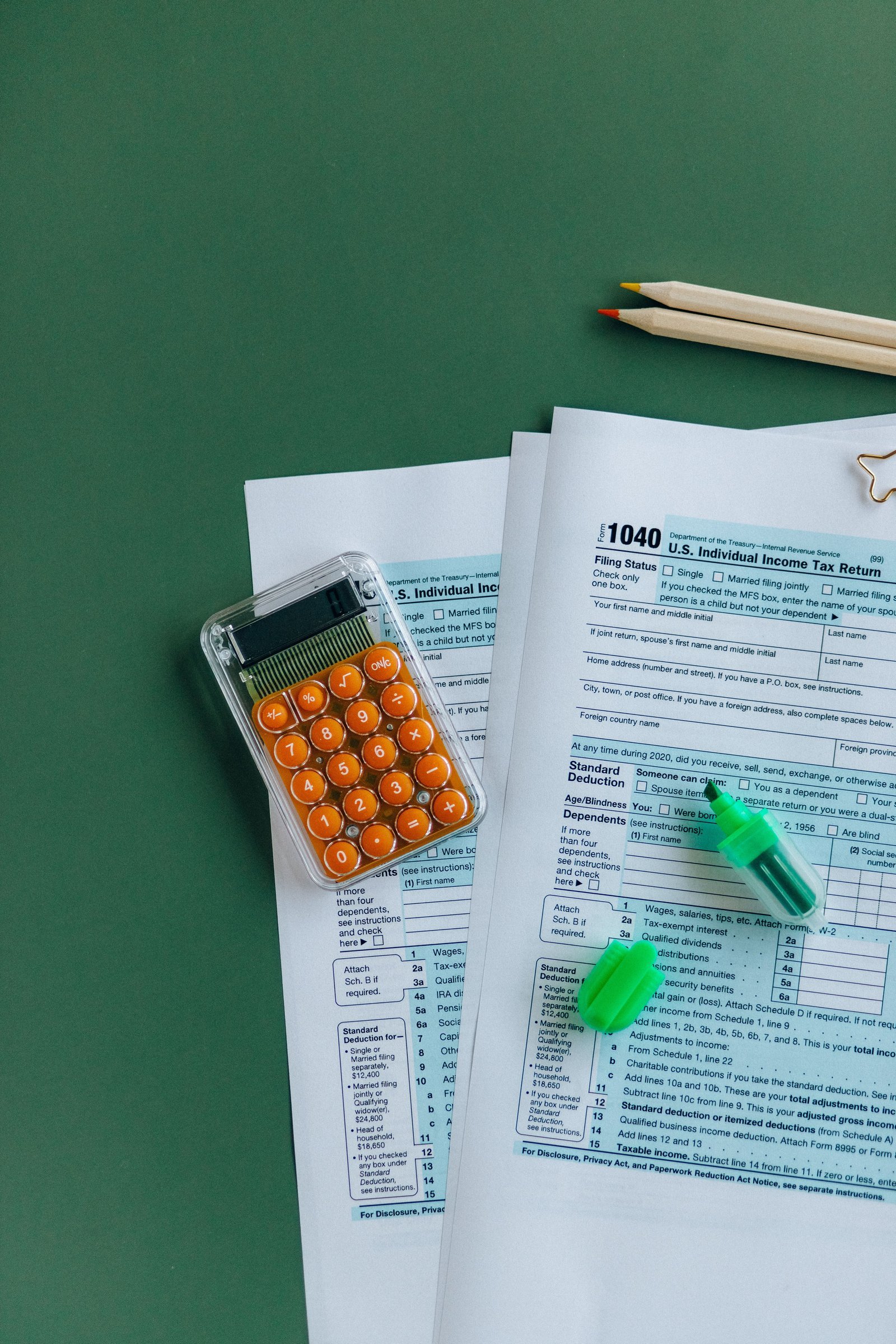
The SA100 is the main tax return. HMRC’s online service asks you a series of questions and opens only the supplementary pages that apply to you. Answer each question honestly and completely — leaving out income is the one mistake that can turn a routine return into an enquiry.
Step 4: Fill in SA103 for your self-employment income
This is the heart of the return for sole traders. On the SA103 pages you enter your turnover, your allowable expenses, and any capital allowances. HMRC subtracts the expenses from the turnover to reach your taxable profit — and it is the profit, not the turnover, that gets taxed.
Allowable expenses are the everyday costs of running your business: office costs, travel, stock and materials, marketing, professional fees, and a proportion of working-from-home costs. The golden rule is simple: if it was wholly and exclusively for your business, it is usually allowable, and if it was personal, it is not.
Step 5: Add any other income sections
Depending on your circumstances, you may also need SA102 for employment income, SA105 for UK property, pages for savings interest and dividends, or SA108 for capital gains. Enter the figures exactly as they appear on your P60, bank certificates or disposal records — small mismatches with the figures HMRC already holds are a common reason returns get queried.
Step 6: Claim your allowances and reliefs
Before you submit, check you have claimed everything you are entitled to. The personal allowance for 2025/26 is £12,570, so most people pay no Income Tax on their first £12,570 of income. Pension contributions and Gift Aid donations extend your basic rate band, which can cut a higher-rate bill, and the marriage allowance lets a lower-earning partner transfer up to £1,260 of unused allowance.
Step 7: Check HMRC’s calculation — and understand your bill
Once every section is complete, HMRC shows you its calculation. Check that your profit figure looks right, that your payments on account (if any) have been credited, and that the tax bands match the table below.
| 2025/26 band (England, Wales and Northern Ireland) | Taxable income | Rate |
|---|---|---|
| Personal allowance | Up to £12,570 | 0% |
| Basic rate | £12,571 – £50,270 | 20% |
| Higher rate | £50,271 – £125,140 | 40% |
| Additional rate | Over £125,140 | 45% |
On top of Income Tax, self-employed profits attract Class 4 National Insurance: 6% on profits between £12,570 and £50,270, and 2% above that. Compulsory Class 2 National Insurance was abolished from 6 April 2024, although voluntary contributions remain available to protect your State Pension record.
Worked example: on a £40,000 profit, Income Tax is 20% of £27,430 (the profit above the £12,570 allowance), which is £5,486. Class 4 National Insurance is 6% of the same £27,430, which is £1,646. Total bill: £7,132, leaving £32,868.
Step 8: Submit online and pay by 31 January 2027
Submit through GOV.UK’s Self Assessment online service, and save or print the submission receipt. Filing early does not mean paying early — the tax is not due until 31 January 2027 — but it does mean you know your bill months ahead, and any refund comes back sooner. Pay by bank transfer or debit card and allow time for it to clear — late payment attracts interest from 1 February.
Step 9: Understand payments on account
If your Self Assessment bill was more than £1,000 and less than 80% of your tax was collected at source, HMRC will ask you to make payments on account towards next year’s bill: usually half on 31 January and half on 31 July. That is why a January bill often looks roughly one-and-a-half times the year’s tax — it includes the balancing payment plus the first instalment for the year ahead. If you expect your income to fall, you can apply online to reduce them, but HMRC charges interest if you reduce them too far.
5 mistakes that cost self-employed filers money
- Filing late: an automatic £100 penalty even if you owe no tax, then £10 a day after three months (up to £900), then 5% of the tax due or £300, whichever is greater, at six and twelve months.
- Forgetting income: side income, rent and savings interest all belong on the return, even small amounts.
- Claiming personal costs as business expenses: HMRC can disallow them and charge penalties on top.
- Guessing figures instead of checking bank statements: mismatches with HMRC’s records trigger enquiries.
- Leaving it to January: UTR delays, forgotten passwords and missing records all bite hardest in the final week.
What about Making Tax Digital?
From 6 April 2026, self-employed people and landlords with qualifying income over £50,000 must follow Making Tax Digital for Income Tax, keeping digital records and sending quarterly updates. That does not replace your Self Assessment return — you still file it and pay by 31 January 2027.
FAQ
Do I need to file a Self Assessment return if I earned less than £1,000 from self-employment?
Usually no. The £1,000 trading allowance means gross self-employment income of £1,000 or less does not need to be reported. Earn more than £1,000 and you must register and file, even if expenses bring your profit below £1,000.
I missed the 5 October registration deadline — can I still file?
Yes. Register for Self Assessment now, and file and pay by 31 January 2027. If you register late but file and pay in full by the January deadline, there is usually no failure-to-notify penalty — it is based on tax still unpaid at 31 January.
Can I correct my tax return after submitting it?
Yes. You can amend an online return within 12 months of the filing deadline — by 31 January 2028 for the 2025/26 return. Wait 72 hours after filing before amending, so HMRC’s systems have processed your original return.
Do I still need to file a Self Assessment return if I am in Making Tax Digital for Income Tax?
Yes. Quarterly updates under Making Tax Digital are separate from your annual return. You still submit a Self Assessment return for the tax year and pay by 31 January.
Conclusion
Completing a Self Assessment tax return is nine manageable steps: register, gather your records, work through SA100 and SA103, claim your reliefs, check the calculation, submit and pay. The two things that cause most of the stress are missing records and leaving it too late — both are fixable today, three months before the deadline.




One Comment