
How to Start a Food Truck Business in the UK (2026): Real Costs, Rules, First Clients

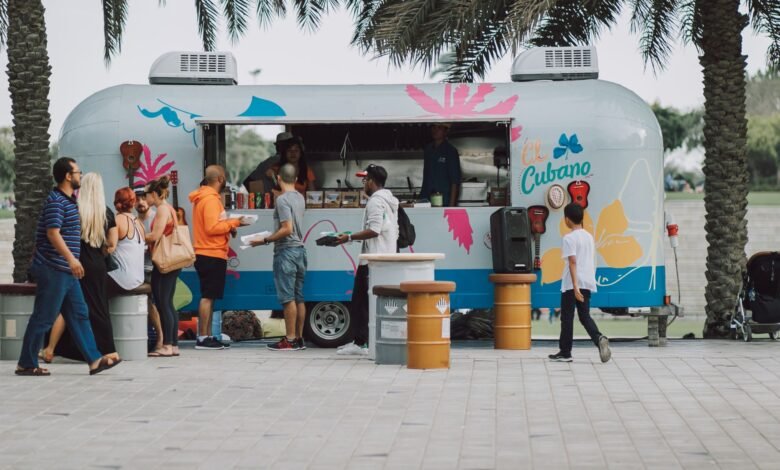
A food truck looks like freedom: your own kitchen on wheels, no restaurant rent, and a queue of hungry customers at a festival. The reality is still attractive — but it is a regulated food business on wheels, not a hobby with a hatch. Get the registration, the pitch permission and the costs right, and a small, focused menu can pay its way from the first season. This guide gives the real 2026 figures: what licences you actually need, what a truck really costs, what to charge, and a 30-day plan to land your first pitches.
The short answer: Register your food business with your local council at least 28 days before trading — registration is free and cannot be refused. You also need permission for every pitch: a street trading licence or consent for public streets, or the landowner’s permission on private land. Budget roughly £8,000–£18,000 for a lean used setup, £18,000–£40,000 for a professionally fitted van, and get public liability insurance before you serve your first customer.
Which Licences Does a Food Truck Actually Need?
There is no single “food truck licence” in the UK. Instead, several separate permissions stack up, and which ones apply depends on where you park and what you serve:
| Permission | What it covers | Key fact |
|---|---|---|
| Food business registration | Your business as a food business | Free; register at least 28 days before trading, with the council where the vehicle is normally kept overnight |
| Street trading licence or consent | Trading on public streets | Needed from each council whose streets you trade on; fees vary widely, roughly £100–£1,500 a year depending on council and pitch |
| Landowner or organiser permission | Private land, markets and events | Written permission replaces a street licence on private land; event organisers set their own pitch fees and paperwork |
| Late-night refreshment licence | Hot food or drink sold 11pm–5am | Needed if you trade in those hours, under a premises licence |
| Driving licence | Driving the vehicle itself | Most smaller vans run on a standard Category B licence; larger, heavier trucks may need Category C1 — check before you buy |
Register through GOV.UK’s food business registration service, which passes your details to your local council. After registration, a council food safety officer may inspect your unit and award a food hygiene rating from 0 to 5. Aim for a 5 from day one: clean, documented routines and a proper handwash basin with hot water are not optional extras, they are what the rating is built on.
Food Safety Rules You Cannot Skip
Four rules catch out more new traders than any other. First, everyone handling food should hold at least a Level 2 food hygiene certificate — cheap, online, and expected by organisers. Second, you need a written food safety management system based on HACCP principles; the Food Standards Agency’s Safer Food, Better Business pack is the standard starting point for small caterers. Third, allergen information must be available for every dish, including the 14 major allergens, and your team must be able to answer allergen questions accurately on the spot. Fourth, if you use gas, a Gas Safe registered engineer must check the LPG installation — event organisers commonly ask for the gas safety certificate (often called a CP44) before they let you on site, and an all-electric unit avoids this requirement entirely.
One more practical point: temperature control is your daily discipline. Fridges must hold cold food at the right temperature, hot food must be kept hot, and you need a thermometer and a log, not a guess. Inspectors and good customers both notice the difference.
Real Startup Costs: What You Will Actually Spend
Published 2026 UK cost guides agree on the shape of the budget, even though the exact total depends on your vehicle and menu. A lean used-unit route runs roughly £8,000–£18,000, a professionally fitted used van typically £18,000–£40,000, and a new or complex custom build can pass £40,000. Here is the honest version:
| Item | Typical cost | Notes |
|---|---|---|
| Used converted van or trailer | £8,000–£30,000 | Older, smaller units sit at the low end; newer, fully fitted vans at the high end |
| Conversion of an empty van | £15,000–£35,000 | Worktops, water tanks, ventilation, power and gas — only if you buy unfitted |
| Kitchen equipment | £5,000–£15,000 | Grill, fryer and refrigeration for hot food; far less for a coffee-only unit |
| Branding, wrap and signage | £2,000–£5,000 | Your truck is your shopfront — this is not the place to cut corners |
| Insurance (first year) | £300–£1,000 | Public liability plus vehicle cover for a catering vehicle |
| Street trading licence or consent | £100–£1,500 a year | Per council area, where a street licence applies |
| Opening stock and packaging | £500–£2,000 | Start small; running out on day one beats throwing stock away |
| Realistic lean launch total | £8,000–£18,000 | Used unit, small menu, owner-operated |
Do not buy a £50,000 truck before you have proved the menu and the pitch. The traders who last are the ones who start with a used unit, a tight menu of five or six items, and a reserve for repairs — because a food truck is a vehicle first, and vehicles break down at the worst possible moment.

What to Charge: A Worked Example
Food cost typically runs 25–35% of the menu price, and pitch fees, fuel, packaging and card fees sit on top. Price from the costs up, not from what the truck next door charges.
Worked example — a burger pitch day. You sell a burger for £8.50. Food cost at 30% is £2.55, packaging is £0.40, so each burger contributes £5.55 before pitch and running costs. Serve 80 burgers in a day: revenue is £680, food costs £204, packaging £32, the pitch fee is £80 and fuel is £25. That leaves £339 for the day before insurance, vehicle costs, card fees, your own pay and tax. At 40 burgers, the same day leaves just £117 — which is why pitch choice matters more than menu choice. A quiet pitch with a low fee can beat a busy pitch with a punishing fee.
Keep the menu short. Every extra dish adds stock, prep time and waste. A hero item, one vegetarian option, one side and one drink will outsell a twenty-item menu at a festival, because the queue moves faster and the food stays fresher.
Where to Trade: Pitches That Actually Pay
Your pitch is your rent, your marketing and your footfall in one decision. Street pitches give regular weekly trade but need council licences and can be hard to win. Private land — office parks, garden centres, retail parks — needs only the landowner’s permission and often a fixed weekly fee. Markets and food festivals bring ready-made crowds but charge pitch fees and may take a percentage, and the best ones are booked months ahead. Private events and weddings pay the best per head but need a track record and references first.
Read our guide to business insurance for UK startups before you book anything: public liability cover (organisers commonly expect £5 million) and catering-vehicle insurance are usually conditions of trading, not optional extras, and employers’ liability becomes legally required the moment you employ anyone.
Your First 30 Days: From Idea to First Pitch
Week 1 — Paperwork first. Register your food business (remember the 28-day rule), book Level 2 food hygiene training, and check the driving licence category and insurance for the vehicle you plan to buy. This week costs almost nothing and prevents the delays that kill launches.
Week 2 — Buy and check the unit. Inspect any used van properly: switch on every fridge and appliance, check the water and waste tanks, the extraction canopy, the electrics and the gas paperwork, and get a fresh gas safety check if anything is unclear. A cheap van with a failed fridge is not a bargain.
Week 3 — Menu test and soft launch. Cook the full menu for friends and family, time every dish, cost every portion, and fix the prices. Then run a soft launch at a friendly private pitch — a workplace car park or a community event — and test queues, temperatures, stock levels and card payments under real pressure.
Week 4 — Book and promote. Apply for your first regular pitches, list the truck on street-food directories, and post the pitch calendar on social media every week. Customers follow trucks; a truck that never says where it will be next stays empty.
Mistakes New Food Truck Owners Make
Buying the truck before securing a pitch. A menu so long the queue stalls and the food cools. Skipping the 28-day registration window and then having to delay opening. Trading on a street without the right licence, which can mean fines and confiscated stock. Under-pricing to “get known” and then being unable to raise prices later. And the quietest killer: no reserve fund for the week the van is in the garage. Avoid those six and you are already ahead of most new traders.
Frequently Asked Questions
Do I need a licence to run a food truck in the UK?
Yes, several permissions apply: free food business registration at least 28 days before trading, plus a street trading licence or consent for public streets, or landowner permission on private land. A late-night refreshment licence is needed for hot food sold between 11pm and 5am.
How much does it cost to start a food truck in the UK?
A lean used setup runs roughly £8,000–£18,000, a professionally fitted used van typically £18,000–£40,000, and a new or complex custom build can exceed £40,000. The vehicle is the biggest cost; insurance, licences, branding and opening stock make up the rest.
How long does it take to start a food truck?
Allow at least 4–6 weeks. The 28-day food business registration window is the bottleneck — use it to complete food hygiene training, arrange insurance and a gas safety check, and book your first pitches.
Do I need a food hygiene certificate for a food truck?
Food handlers should hold at least a Level 2 food hygiene certificate, and you must have a written food safety management system, allergen information for every dish, and proper temperature controls. Your council inspection will check all of these.
Can I trade a food truck on private land without a street licence?
Yes, with the landowner’s written permission you do not need a street trading licence for that pitch. You still need food business registration, insurance and food safety compliance wherever you trade.
Conclusion
Starting a food truck business in the UK is genuinely achievable on a modest budget — but only if you treat it as a regulated food business from day one. Register 28 days ahead, secure each pitch properly, buy a unit you have actually inspected, price from your real costs, and keep the menu short enough to serve fast. Do that, and the truck stops being an expensive dream on wheels and becomes what it should be: a small kitchen, a loyal local following, and a business that can grow one pitch at a time.