
How to Start a Handyman Business in the UK (2026): Real Costs, Rules, First Clients

A handyman business is one of the cheapest trades to start in the UK: no shop, no stockroom, and no licence for general repair work. But “no licence” does not mean “no rules” — gas and electrical work have strict legal limits, and the handymen who earn a steady living are the ones who price properly, insure properly, and know exactly which jobs to turn down. This guide gives the real 2026 figures: launch costs, the rules that actually apply, what to charge, and a 30-day plan to land your first paying clients.
The short answer: You do not need a licence to start a general handyman business, and you can launch as a sole trader for free with HMRC. Budget roughly £500–£1,500 to start if you already own basic tools. Charge around £30 an hour outside London (around £50 in London), never take on gas work unless you are Gas Safe registered, and get public liability insurance before your first job.
Do You Need a Licence to Be a Handyman?
There is no general “handyman licence” in the UK. Anyone can legally offer flat-pack assembly, shelving, decorating, minor carpentry, tiling, gutter cleaning and similar general repairs. The limits kick in with specific types of work:
| Work type | What the rule actually is |
|---|---|
| General repairs, carpentry, painting, tiling, flat-pack | No licence or qualification legally required — but you must still work safely and competently |
| Gas appliances, pipework, boilers | Only a Gas Safe registered engineer may do this work — it is a legal requirement, not a recommendation |
| Fixed electrical installations in homes | Must comply with Part P of the Building Regulations; only installers on an authorised competent person scheme (such as NICEIC or NAPIT) can self-certify the work |
| Structural work (removing walls, extensions) | Building Regulations approval is normally required — this is builder territory, not handyman work |
| Waste you carry away from a job | Check the Environment Agency rules on registering as a waste carrier before you load up |
The practical rule is simple: if a job touches gas, fixed electrics or structure, either hold the right registration or refer it to someone who does. Taking it on anyway risks prosecution, invalidates your insurance, and puts the customer — and you — in real danger. Check GOV.UK’s list of authorised competent person schemes before you offer any notifiable building work.
Register Your Business (Free, and Quicker Than You Think)
Almost every handyman starts as a sole trader: registering with HMRC for Self Assessment is free, you keep all the profit after tax, and the paperwork is minimal. You must register if your trading income is over £1,000 in a tax year, and the deadline is 5 October in your business’s second tax year — but registering before your first client is the sensible move, not the last-minute one.
A limited company costs £50 to register online with Companies House and gives you limited liability, which matters more once you employ staff or take on bigger contracts. For a one-person startup, sole trader is simpler; you can incorporate later if you grow.
Three money rules to learn on day one. First, set aside 20–25% of every payment for tax — Income Tax and National Insurance are paid through Self Assessment, and the bill arrives months after the work. Second, the VAT registration threshold is £90,000 of taxable turnover in a rolling 12 months — few new handymen reach it in year one, and below it registration is optional. Third, Making Tax Digital now applies to sole traders with qualifying income over £50,000 from April 2026, falling to £30,000 from April 2027, so keep digital records from the start rather than a shoebox of receipts.
Insurance: What You Need and What It Costs
No law forces a sole-trader handyman to hold insurance — but one flooded bathroom or a customer tripping over your ladder can cost an uninsured tradesperson tens of thousands of pounds. “Are you insured?” is also one of the first questions good clients ask, and many letting agents and landlords will not hire you without proof of cover.
| Cover | Typical annual cost (2026) | What it protects |
|---|---|---|
| Public liability (£2 million cover) | Around £100–£300 | Injury to a customer or damage to their property caused by your work |
| Tools and equipment cover | Often added for a modest extra premium | Theft of tools from your van or a job site |
| Employers’ liability | Required by law once you employ anyone | Injury or illness to your employees — minimum £5 million cover |
| Professional indemnity | Optional for most handymen | Claims over faulty advice or design, more relevant if you offer surveys or plans |
Read our guide to business insurance for UK startups for the full breakdown of each type. One practical tip: photograph every job before and after, and keep written quotes and invoices — if a claim ever comes in, that paper trail is what proves what you actually did.
Real Startup Costs: What You Will Actually Spend
Trade guides put a basic trade startup at £2,000–£15,000 including a van, but a handyman starting from home with tools already in the garage can launch for far less. Here is the honest version:
| Item | Typical cost | Notes |
|---|---|---|
| HMRC sole trader registration | Free | Register online; your Unique Taxpayer Reference arrives by post |
| Public liability insurance | £100–£300/year | Get this before your first paid job |
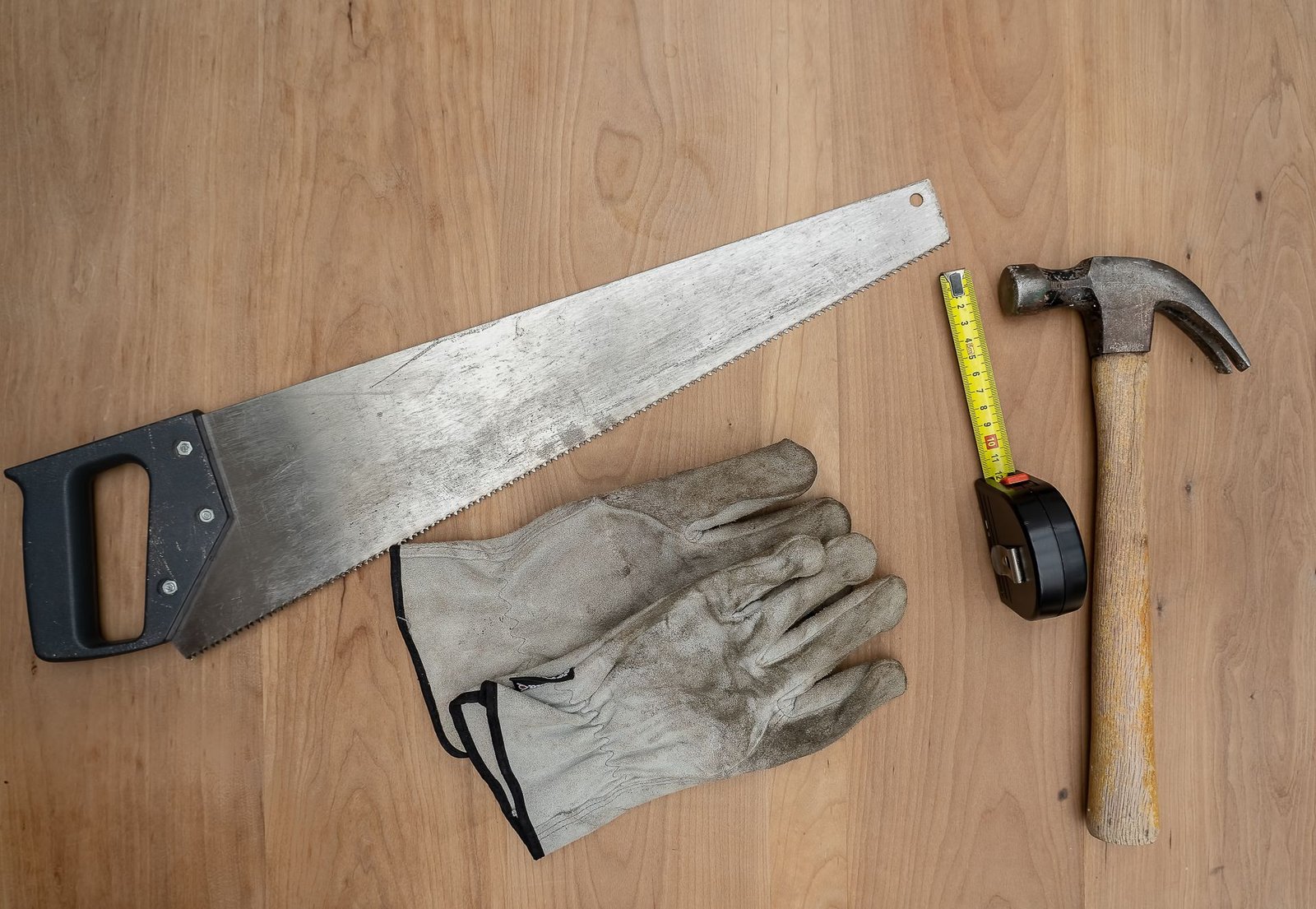
| Starter tool kit (drill, saws, spirit level, step ladder, tool bag) | £300–£800 new | Buy quality second-hand and this can halve |
| Workwear, safety boots, dust masks | £50–£150 | Customers judge you on how you turn up |
| Business bank account | Usually free | Keeps business money separate from personal money |
| Google Business Profile + simple website | Free to low-cost | Your shop window — see the 30-day plan below |
| Used van (optional at launch) | £3,000–£8,000 | Start with your car if jobs fit; buy a van when the work justifies it |
| Realistic launch total (no van) | £500–£1,500 | Add the van only when diary demand proves you need it |
Do not spend £3,000 on a website and branded van before you have ten paying customers. Customers hire handymen on reviews and recommendations, not on liveried vans.
What to Charge: Pricing That Actually Pays
Undercharging is the most common reason new handymen fail. Your hourly rate has to cover fuel, tool wear, insurance, unpaid travel and admin time, tax — and still leave you a wage. Trade pricing guides put the UK average handyman rate at around £30 an hour, around £50 an hour in London and major cities, with day rates of roughly £250–£350.
| Pricing method | Typical UK range (2026) | When to use it |
|---|---|---|
| Hourly rate | £25–£35 outside London; £50+ in London | Uncertain repair work where the time is hard to predict |
| Day rate | £250–£350 | A full day of varied jobs for one customer |
| Fixed job price | Priced per job (for example, around £90 for a double wardrobe assembly) | Clearly defined jobs such as flat-pack, TV mounting or a shelf run |
| Minimum call-out | £40–£50 | Small jobs — covers travel and setup so a 20-minute fix still pays |
Worked example — is £30 an hour enough? Say you bill 6 hours a day, 4 days a week, 44 weeks a year. That is £31,680 of revenue. Take off roughly £2,000 for insurance, fuel, tools and phone, and you are left with about £29,680 before Income Tax and National Insurance — a realistic one-person handyman income, but only if those 24 billable hours actually happen every week. Unpaid quoting, travel and admin easily eat a fifth of your week, which is why a minimum call-out fee and fixed prices for standard jobs matter so much: they stop short jobs from losing you money.
Price in writing before you start, state whether materials are included, and take a deposit on jobs over a few hundred pounds. Never start a job where the customer will not agree a price first — “just see how long it takes” is how disputes begin.
Your First 30 Days: From Zero to Paying Clients
Week 1 — Set up. Register as a sole trader, buy public liability insurance, open a business bank account, and create a free Google Business Profile with your service area, phone number and photos of your own work — even jobs done in your own home count as portfolio photos.
Week 2 — Get visible locally. List yourself on one or two trade directories, post a short introduction in local community groups (with permission, and only where self-promotion is allowed), and tell everyone you know you have started — friends, family, neighbours and former colleagues are your first referrers. Offer a small discount on the first ten jobs in exchange for an honest review.
Week 3 — Do the work well and collect proof. Photograph every job, ask every happy customer for a Google review on the spot, and follow up the next day with a thank-you message. One review is worth more than a hundred flyers.
Week 4 — Build the repeat base. Hand every customer a card with your number, offer a simple maintenance checklist (gutter clean in autumn, sealant check in spring), and ask landlords and letting agents in your area whether they keep a list of trusted tradespeople. A single letting agent can fill your diary for months.
Mistakes New Handymen Make
Quoting by guesswork instead of by time and materials. Taking on gas or electrical work they are not registered for. Working without insurance “until things pick up”. Spending on a van and website before winning customers. And the quietest killer: never asking for reviews, so every new customer has to take a stranger’s word for it. Avoid those five and you are already ahead of most new starters.
Frequently Asked Questions
Do I need qualifications to start a handyman business in the UK?
No general qualification is legally required for general repair work. You do need the right registration for regulated work: Gas Safe registration for gas, and an authorised competent person scheme membership to self-certify fixed electrical work in homes.
How much does it cost to start a handyman business?
Around £500–£1,500 without a van, covering insurance, a starter tool kit, workwear and basic setup. Add £3,000–£8,000 for a used van only when your workload justifies it.
How much should a self-employed handyman charge per hour?
Around £30 an hour is the UK average in 2026, rising to around £50 an hour in London and major cities. Day rates of £250–£350 are common for full-day bookings, and a £40–£50 minimum call-out fee stops small jobs from losing money.
Should I register as a sole trader or a limited company?
Start as a sole trader: registration is free, the paperwork is minimal, and it suits a one-person business. Move to a limited company later if you employ staff, take on larger contracts, or reach profit levels where incorporation saves tax.
Conclusion
Starting a handyman business in the UK is genuinely low-cost and low-barrier — but the barrier is low, not absent. Register as a sole trader, insure yourself, stay inside the gas and electrical rules, charge a rate that survives your real costs, and spend your first month earning reviews rather than buying equipment. Do that, and a trade that starts with a toolbox in a car boot can grow into a diary full of repeat customers. The work is out there; the handymen who win it are the ones customers trust — and trust is built one finished job, one honest quote and one review at a time.